

Replacing old windows is a home improvement project that can make a big difference in your home’s energy efficiency, appearance, and overall comfort. If your windows are outdated, drafty, or no longer serving their purpose, it’s time for a change. But where do you start? This guide will walk you through everything you need to know about replacing your old windows, from choosing the right type to installation tips, ensuring your home gets the upgrade it deserves.
Contents
Why Replace Your Old Windows?
Old windows can cause a range of problems in your home. They can let in drafts, making your home colder in the winter and hotter in the summer, which leads to higher energy bills. Also, over time, windows can become worn down and lose their functionality, making it harder to open, close, or lock them properly.
Replacing your old windows can provide several benefits, including:
- Energy Savings: New windows are much more energy-efficient, helping to keep your home comfortable year-round without running up your energy bills.
- Improved Appearance: New windows can give your home an instant facelift, adding curb appeal and enhancing the overall aesthetic of your property.
- Increased Home Value: A window replacement project can increase the value of your home, making it more attractive to potential buyers if you plan to sell in the future.
- Better Comfort: New windows help maintain a consistent temperature in your home by keeping drafts and outdoor noise at bay.
So, whether you’re looking to save on energy bills, improve your home’s appearance, or simply make your living space more comfortable, replacing your windows is a smart decision.
What to Consider Before Replacing Your Windows?
Before diving into the window replacement process, there are a few important things to consider. Selecting the right windows for your home can make all the difference.
1. Type of Window
Windows come in many styles, each offering different benefits. Common types of windows include:
- Single-Hung Windows: These windows have a fixed top sash and a movable bottom sash. They’re a budget-friendly option and easy to maintain.
- Double-Hung Windows: Both sashes are movable, making it easier to clean and ventilate your home.
- Casement Windows: These windows are hinged at the side and open outward like a door. They provide excellent ventilation and are energy-efficient.
- Sliding Windows: These windows slide open horizontally and are great for areas where a traditional window swing would be difficult.
- Awning Windows: Hinged at the top, these windows open outward to let in fresh air while keeping out rain.
Each type has its own advantages, so think about what would work best for your needs and budget. If you’re unsure, websites like https://housewiseup.com/ can help you explore the various window styles available.
2. Material Choices
Windows are made from different materials, each offering unique benefits. The most common materials are:
- Vinyl: Known for being energy-efficient, durable, and low-maintenance, vinyl windows are a popular choice.
- Wood: Wooden windows provide a classic, elegant look, but they require more maintenance to keep them in good condition.
- Aluminum: These windows are strong and lightweight, though they can conduct heat and cold more than other materials.
- Fiberglass: Extremely durable and energy-efficient, fiberglass windows are a great option for homeowners looking for high-quality performance.
The right material for your windows will depend on your preferences for aesthetics, durability, and insulation.
3. Energy Efficiency
One of the most important factors when replacing your windows is their energy efficiency. Look for windows with the ENERGY STAR label, which indicates they meet strict energy performance standards. Double- or triple-pane windows filled with insulating gas can help improve your home’s thermal insulation. Low-E coatings on windows can also reduce the amount of UV light and heat entering your home, keeping it cooler in the summer and warmer in the winter.
4. Window Size and Fit
Make sure to measure the size of your current windows accurately to ensure the new windows fit properly. This is important because improper installation can lead to energy loss, drafts, and even water damage. If you’re not sure how to measure your windows, you might want to consult a professional to get the dimensions right.
Steps to Replacing Your Windows
Once you’ve chosen the type and material of your new windows, it’s time to move forward with the replacement process. Here’s a simple breakdown of the steps:
Step 1: Remove the Old Windows
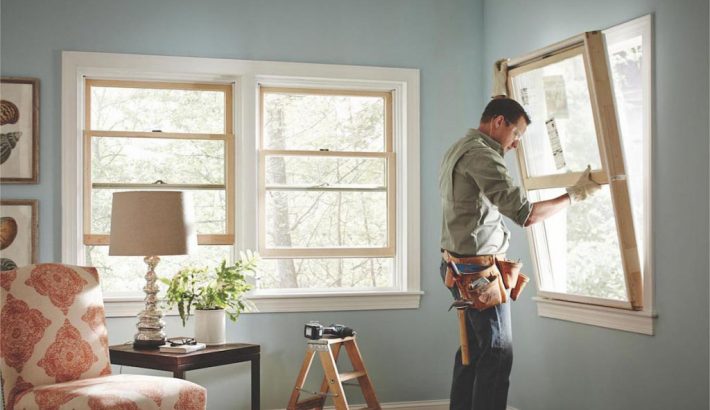
Carefully remove the old window by taking out the trim and unscrewing the window frame from the wall. If the window is stuck or hard to remove, you may need to use a pry bar. Be careful not to damage the surrounding wall or frame.
Step 2: Clean the Window Frame
Once the old window is removed, clean the frame thoroughly. Remove any old caulk or debris to ensure a smooth and clean surface for the new window to fit into.
Step 3: Install the New Window
Place the new window into the frame and check its fit. The window should be level and plumb. Once it’s in place, use screws or nails to secure it. Make sure the window is firmly attached to prevent any air or water leaks.
Step 4: Apply Caulk and Insulate
After the window is installed, apply caulk around the edges to seal any gaps and prevent drafts. You can also add insulation around the window frame to enhance energy efficiency.
Step 5: Install the Trim
Once the window is securely in place and sealed, reinstall the trim around the window to give it a finished look. You can also paint or stain the trim to match your home’s decor.
Professional vs. DIY Window Replacement
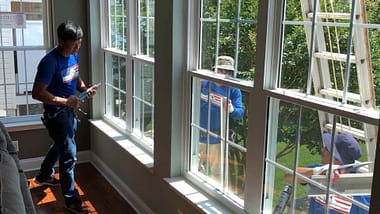
While it’s possible to replace windows yourself, it can be a complex and time-consuming job that requires the right tools and experience. If you’re unsure about your ability to do the job, hiring a professional window installer might be the best option. Professionals can ensure the windows are installed correctly and efficiently, saving you time and effort.
Final Thoughts
Replacing your old windows can significantly improve the comfort and energy efficiency of your home. By taking the time to choose the right window type, material, and installation method, you can enjoy the benefits of new windows for many years to come. For more tips on home improvement projects, check out resources like https://housewiseup.com/ for expert advice and ideas.
Replacing your windows doesn’t have to be overwhelming. With the right planning and research, you can make an informed decision and enjoy a more comfortable, energy-efficient home.
