


Welcome to our in-depth blog post on home insulation, where we delve into the ins and outs of insulating your home to enhance comfort, reduce energy bills, and increase your property’s value. Whether you are renovating your existing home or building a new one, understanding insulation options and their benefits is crucial.
In this guide, we’ll explore different types of insulation, their costs, benefits, and other essential details to help you make an informed decision. By the end of this post, you’ll have a comprehensive understanding of how to choose the right insulation for your needs and how it can affect your home’s energy efficiency and living quality.
Contents
Types and Materials of Insulation
Insulation comes in various types such as fiberglass, cellulose, spray foam, and rigid foam boards. Each type has its distinct advantages. For instance, Rock Hill SC spray foam contractors is renowned for its excellent air sealing properties and high R-value per inch, making it an ideal choice for avoiding energy leaks. Fiberglass is inexpensive and good for large areas like attics with standard spacing between joists. Cellulose, made of recycled paper products treated with a fire retardant, is an eco-friendly option that provides good thermal performance.
Fiberglass offers a sound absorbing quality that enhances the acoustic comfort of homes as well as thermal insulation. On the other hand, rigid foam boards are great for exterior wall sheathing and basement walls due to their moisture resistance and durability. Your choice of insulation should depend on your specific needs such as climate, budget, and where you plan to install it.
Installation Techniques and Costs
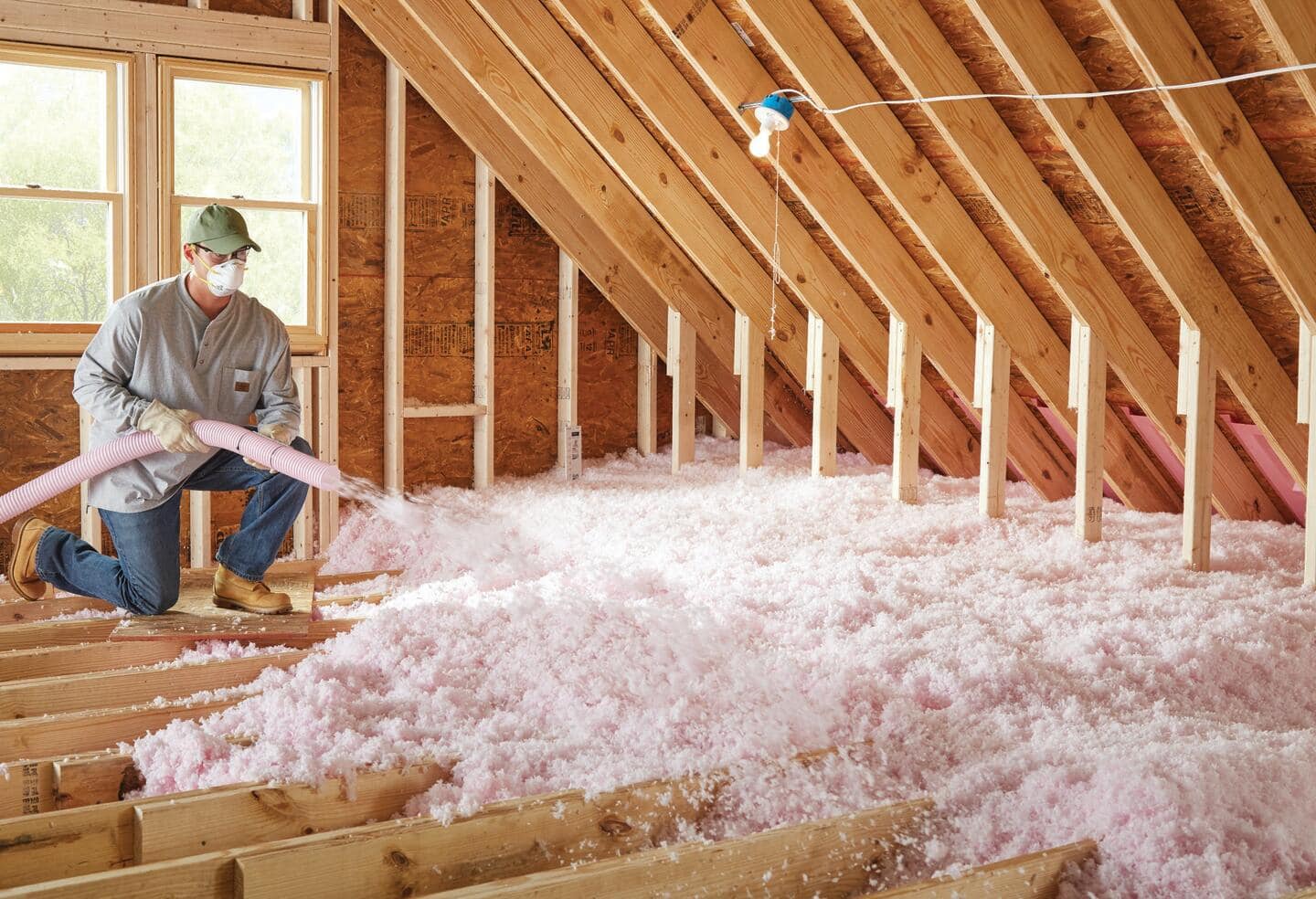
The cost of installing home insulation varies significantly based on the type of material used and the scope of the project. Professional installation is generally recommended to ensure maximum effectiveness, especially for complex options like spray foam which require special equipment and expertise. DIY might be feasible with fiberglass batts or rolls and can save labour cost but requires careful handling due to potential health risks from inhaling fibers.
Additionally, costs can be affected by various factors including regional labor rates, accessibility of installation sites within your home, and whether existing insulation needs removal. On average, homeowners may spend anywhere from $1,500 to $5,000 depending on these factors, but the initial investment normally pays off in terms of energy savings over time.
Energy Savings & Environmental Impact
Properly insulating your home contributes significantly to reducing your carbon footprint by limiting the amount of fossil fuels burned for heating or cooling. With effective insulation like spray foam that seals gaps and minimizes thermal bridges, homeowners can often see a reduction in energy consumption for heating and cooling by over 50%. This translates not only to lower utility bills but also less strain on the environment.
The environmental benefit extends beyond just energy consumption; certain insulating materials like cellulose are made from mostly recycled paper which helps reduce waste in landfills. Each type of insulation has a different life span and efficacy impact on your home’s overall sustainability profile.
Comfort & Health Benefits
Beyond energy efficiency and environmental concerns, adequate home insulation significantly influences indoor air quality and humidity levels—key factors in both comfort and health for occupants. With better controlled temperatures throughout the seasons thanks to proper insulation, homes become more comfortably livable while also limiting growth potential for molds caused by air moisture imbalances.
Furthermore, materials like spray foam can diminish infiltration of outdoor allergens or pollutants resulting in a cleaner indoor air environment—a big plus for allergy sufferers or any household emphasizing healthful living spaces.
Long-Term Property Value
While immediate benefits such as reduced utility costs and improved comfort are significant motivators for upgrading insulation at home, there’s also long-term value to consider. Efficiently insulated homes often attract higher market values due to their optimized energy performance certificates (EPCs) essential during property transactions especially in regions where these are legislatively required.
A well-insulated house portrays commitment towards maintaining an efficient residence which appeals not just to environmentally conscious buyers but anyone looking towards reducing their future household expenses. This aspect of property enhancement boosts not only sale prices but also general marketability when it’s time to sell.
We hope this guide has provided valuable insight into the diverse aspects of home insulation and helped you understand its crucial role in enhancing your living environment both economically and ecologically. Remember that while upfront investments might seem considerable, the long-term savings and increased comfort are well worth the expense.
To determine the most suitable insulation type for your individual needs considering local conditions like climate or seasonal changes might be worthwhile consulting with professionals who can provide tailored advice aligned with modern best practices.
